

A full life with Chronic Nasal Polyps (CRSwNP)
Because life with CRSwNP can be unpredictable, it helps to know how it may affect you. That way, you can work with your doctor to create a treatment plan that's tailored to you. CRSwNP shouldn't stop you enjoying life to the full.
Experiencing complications
CRSwNP may bring some additional health challenges, so it’s important to speak to your doctor and address them properly.
Sinus Infections
On going inflammation in your sinsuses can increase your risk of sinus infections. These can cause facial pain, pressure, nasal congestion and discharge.
Asthma
When you have CRSwNP, your asthma may be more difficult to control and more prone to flare-ups. You may need to talk to your doctor about reviewing your dose of asthma medications.
Severe obstruction
In severe cases, if nasal polyps are left untreated , they can grow large enough to obstruct the airway. This makes it difficult to breathe and smell, and also increases the risk of sleep disturbances.
Your nasal polyps may come back after surgery (recurrence)
You might think that removing your polyps will mean an end to all your CRSwNP symptoms. Unfortunately, there are no guarantees. Even after having surgery, your nasal polyps could and often do come back months or years later.
The reason why recurrence happens is that surgery removes the growths in your nose, but it doesn't tackle a potential cause of CRSwNP: Type 2 inflammation.
There are several treatments that may be prescribed before or after surgery to prevent your nasal polyps from coming back including:
- Intranasal corticosteroids
- Oral corticosteroids
- Non-steroidal anti-inflammatories (e.g. aspirin)
- Biologics
Looking after your mental health and well-being
Dealing with the symptoms of a chronic condition like CRSwNP can take its toll. It's a condition that's largely unknown and often misunderstood, which can be quite isolating. Feeling ill for an extended period of time can have a knock-on effect on your quality of life and how you feel.
If you're struggling to sleep or dealing with frustrating symptoms every day, it may affect your mental and physical health. It could also impact your personal relationships, your ability to work or your enjoyment of simple things like exercising or playing with your kids.
Living with CRSwNP
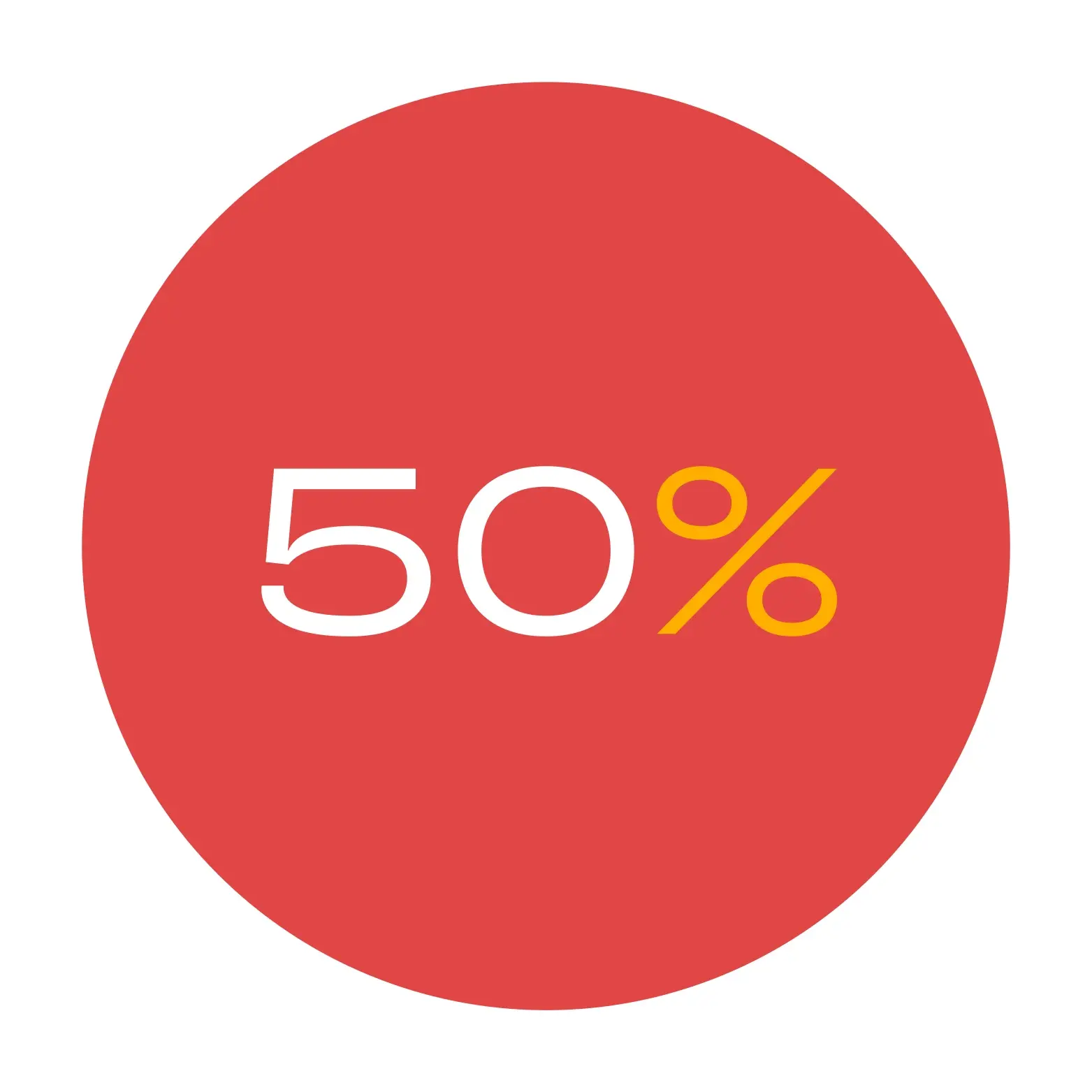
50% of people living with CRSwNP experience disrupted sleep
Not being able to sleep properly may increase anxiety and depression, or leave you feeling tired and unable to concentrate, which can interfere with work and other areas of your life.

1 in 4 people living with CRSwNP say their condition significantly impacts their emotional and mental health
Because the symptoms of CRSwNP (e.g nasal congestion, reduced sense of smell, facial pain) can be persistent, they may affect your quality of life and well-being.
Talk with your doctor
If your symptoms have been affecting your emotional and mental health, it's important that you speak to your healthcare team (doctor, nurse, or pharmacist).
Together with your doctor, you can create a treatment and care plan to help you get relief.

References
- Asthma & Allergy Foundation of America. Life with Nasal Polyps: The Patient Experience and Opportunities to Improve Care in the U.S. 2024. Available at: https://aafa.org/asthma-allergy-research/our-research/life-with-nasal-polyps-crswnp/. Accessed May 2025.
- Allergy & Asthma Network. What is Chronic Rhinosinusitis with Nasal Polyps (CRSwNP)?. Available at: https://allergyasthmanetwork.org/health-a-z/chronic-rhinosinusitis-with-nasal-polyps-crswnp/. Accessed: May 2025.
- Claeys N, et al. Front Allergy 2021; 2: 761388.
- Cleveland Clinic. Nasal Polyps. Available at: https://my.clevelandclinic.org/health/diseases/15250-nasal-polyps. Accessed: May 2025.
- Hwee J, et al. Allergy Asthma Clin Immunol 2024; 20:17.
- Laidlaw TM, et al. J Allergy Clin Immunol Pract 2021; 9: 1133–1141.
- Mullol J, et al. J Allergy Clin Immunol Pract 2020; 10(6): 1435–1453.
